
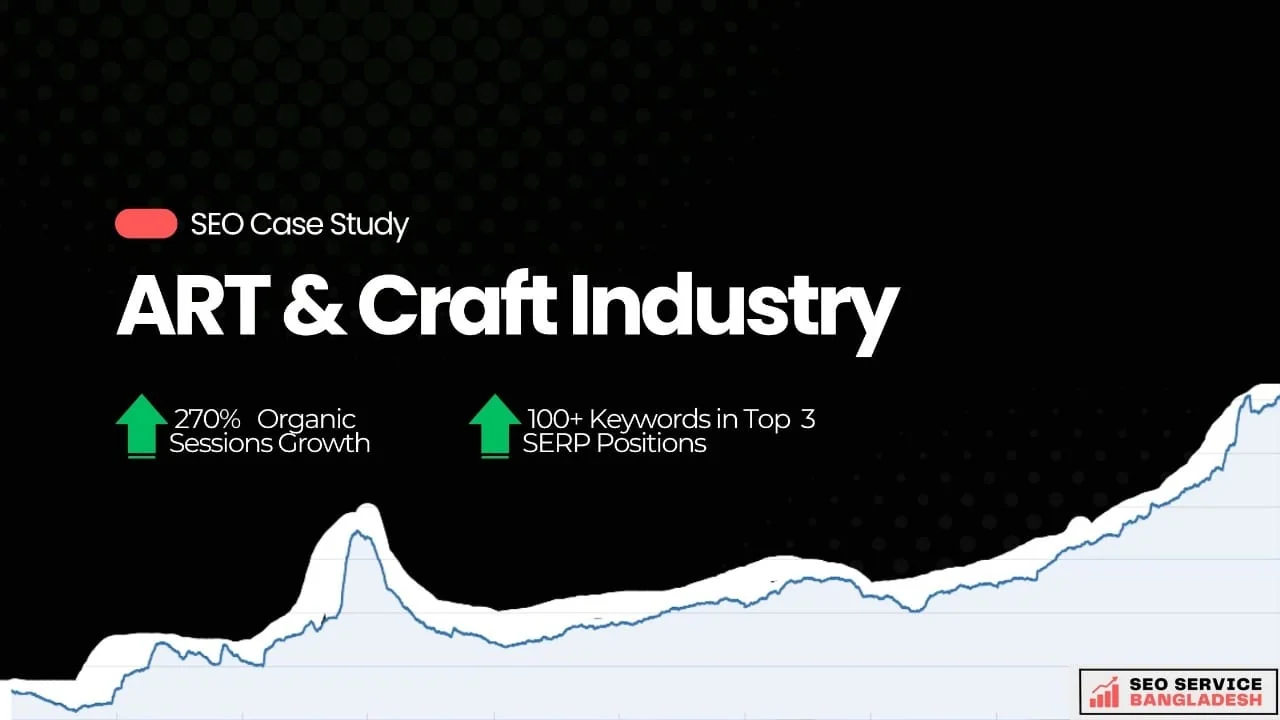
Organic Sessions Surge 270% for Online Art Platform with Tailored SEO Strategy
Client: Confidential Online Art Marketplace
Industry: Art & E-commerce
Location: India
Agency: আমাদের প্রফেশনাল এসইও সেবা
1. The Evolving Landscape of Online Art Sales
The traditional art market has historically relied on physical galleries, exclusive exhibitions, and in-person viewings. However, the paradigm has shifted dramatically. Today, art collectors, interior designers, and casual buyers increasingly turn to the internet to discover and purchase artwork. This digital transformation has democratized art collection, allowing emerging artists from remote regions to connect with global buyers.
Despite this shift, selling art online presents unique digital marketing challenges. Unlike standard retail products, art is subjective, highly visual, and often carries a premium price tag. Buyers need to trust the platform, understand the artist's background, and feel confident in the authenticity and quality of the piece before making a purchase. Consequently, an online art gallery cannot rely solely on basic e-commerce SEO. It requires a nuanced strategy that prioritizes visual SEO, builds immense niche authority, and ensures a frictionless technical user experience that mirrors the elegance of a physical gallery.
For platforms operating in this space, visibility on search engines is not just about driving traffic; it is about attracting high-intent users who are actively looking to invest in art. When our client approached us, they recognized the vast potential of organic search but were struggling to translate their beautiful platform into tangible search engine rankings.
2. Client Profile and Background
Our client is a pioneering online art gallery dedicated to disrupting the traditional art world with a fully digital-first model. Based in India, the platform serves as a vital bridge between passionate art lovers and a curated selection of global and emerging artists. Their overarching mission is to make premium, affordable, and authentic artworks easily accessible from the comfort of the buyer's home.
The platform boasts a diverse inventory ranging from contemporary abstract paintings and traditional canvas works to mixed media sculptures and digital prints. By providing artists with a robust digital storefront, the client aims to empower creators while offering buyers a transparent, user-friendly purchasing experience.
However, despite having a promising business model, an aesthetically pleasing website design, and a roster of incredibly talented artists, the brand's organic presence was severely underperforming. Their beautiful artworks were buried on the fifth and sixth pages of Google search results. They needed a robust, multifaceted SEO intervention to drive visibility, resolve underlying technical flaws, and ultimately stimulate sustainable business growth.
3. The Core Challenges
A thorough and meticulous site audit conducted by our technical SEO team revealed several critical issues. These underlying problems were stifling organic growth, wasting crawl budget, and severely hurting the overall user experience. We categorized these challenges into technical bottlenecks, visual optimization failures, and a lack of topical authority.
A. Technical Roadblocks and Crawl Waste
The most pressing issue was the presence of duplicate content stemming from improper pagination. E-commerce platforms with large inventories often struggle with this, but for our client, the problem was magnified. Pagination led to multiple versions of nearly identical category pages being indexed. This not only confused search engine bots but also wasted a significant portion of the site's crawl budget.
Furthermore, product pages that had no active listings (for example, when an artist sold out of their current collection) displayed behavior akin to a 404 error, yet returned a 200 OK status code. These "soft 404s" frustrated users and harmed the site's crawlability and trustworthiness in the eyes of Google.
The site also suffered from inconsistent breadcrumb trails. Individual art pieces often belonged to multiple categories (e.g., "Abstract Art" and "Canvas Paintings"). Because the site lacked a primary category designation, the breadcrumbs changed dynamically based on how the user navigated to the product. This erratic internal linking structure confused both users trying to browse and search engines trying to understand the site hierarchy.
B. The Visual SEO and Image Optimization Gap
In the art industry, the image is the product. A major client issue we uncovered was a complete disregard for visual SEO. The platform uploaded massive, raw image files to ensure buyers could see the brushstrokes and textures of the paintings. While this served a purpose for user experience, it decimated the site's Core Web Vitals. Page load times exceeded eight seconds on mobile devices, leading to sky-high bounce rates.
Additionally, the images lacked descriptive Alt text and proper file naming conventions. Files named "IMG_9845.jpg" offered zero context to search engines. Without proper image optimization, the client was missing out on a massive volume of traffic from Google Images, a primary discovery tool for art buyers.
C. Thin Content and Missing Niche Authority
Finally, the platform struggled with niche authority. While they featured hundreds of artists, the artist profile pages and collection descriptions were incredibly thin. They lacked the detailed biographies, stylistic analyses, and artistic narratives that collectors look for. Search engines could not determine if the platform was a credible authority on contemporary art or just a generic dropshipping site.
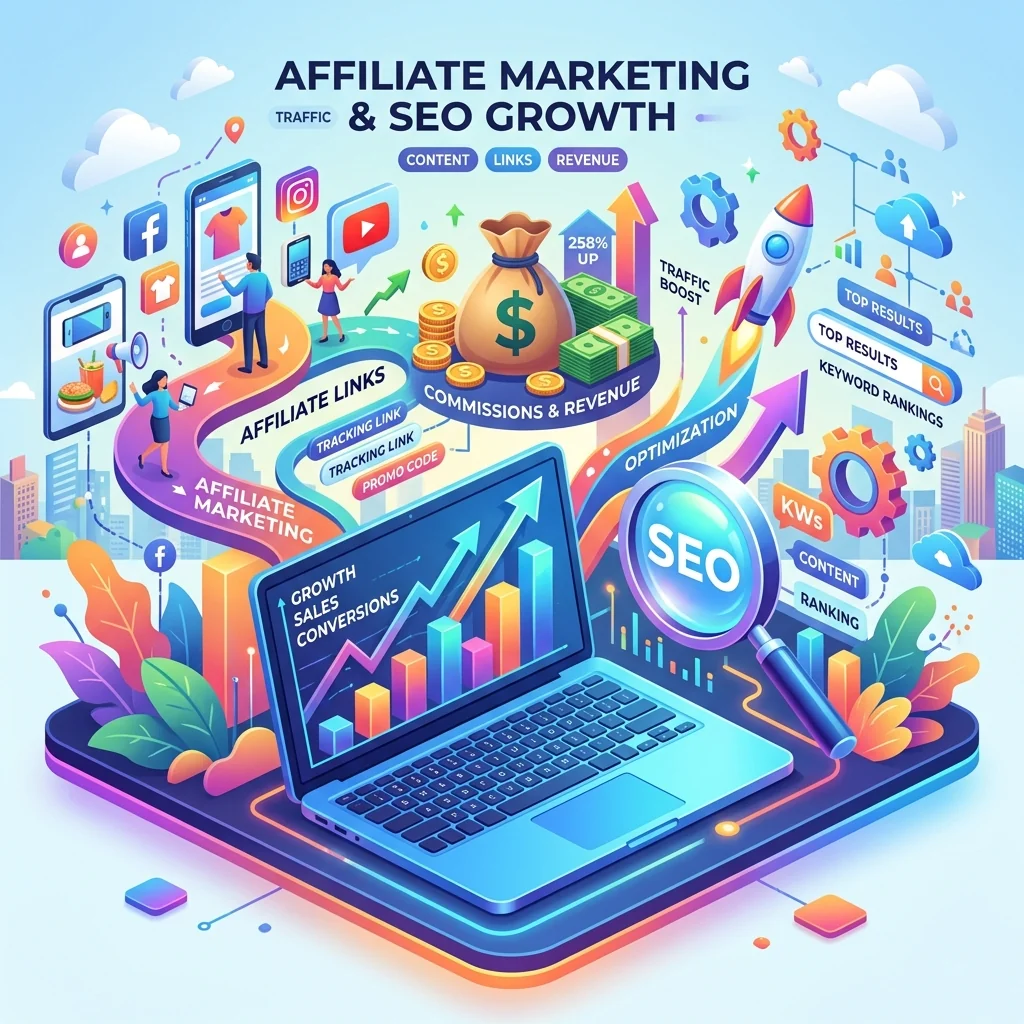
4. Our Comprehensive SEO Strategy
To reverse the stagnant traffic trends and propel the platform to the top of search engine results pages (SERPs), SEO Services Bangladesh engineered a custom, four-phase strategy. This holistic approach was designed to rectify technical flaws, optimize visual assets, expand content, and aggressively build niche authority.
Phase 1
The foundation of our strategy involved a 250-point manual and tool-based technical SEO audit. We prioritized fixing the foundational errors that were blocking search engines from effectively crawling and indexing the site.
First, we tackled the pagination duplication. We implemented proper canonicalization rules, ensuring that all paginated URLs pointed search engines to the primary category page while still allowing bots to crawl deeper into the inventory.
Next, we overhauled the Schema markup. The previous implementation was fundamentally flawed. We deployed accurate Product Schema, including price, availability, and aggregate rating attributes, making the artworks eligible for visually appealing rich results in Google SERPs. We also added Organization and BreadcrumbList schema to help Google understand the brand entity and site structure.
To resolve the soft 404 issue on empty pages, we developed a custom logic system. If an artist's portfolio was temporarily sold out, the page would remain live with a 200 status code, displaying a "Sold Out" badge alongside an email capture form for waitlists, and showcasing "Similar Artists You Might Like." This retained link equity, captured leads, and kept users engaged.
Finally, we standardized the breadcrumb hierarchy, forcing a primary category path for every product, which solidified the internal linking structure.
Phase 2
Because visual SEO is the lifeblood of an art marketplace, we implemented a rigorous image optimization protocol.
We integrated an automated image compression script that converted all heavy JPEG and PNG files into the modern WebP format. This maintained the high visual fidelity required to showcase art textures while reducing file sizes by up to 70%. We also implemented lazy loading across all galleries, ensuring that images only loaded as the user scrolled down the page, drastically improving initial page load speeds and Core Web Vitals.
Crucially, we revamped the Alt text strategy. We moved away from generic descriptions and created a dynamic naming convention: [Artist Name] - [Title of Artwork] - [Medium/Style] - [Dimensions]. This granular level of detail provided search engines with maximum context, resulting in a massive spike in organic traffic directly from Google Image Search.
Phase 3
With a solid technical foundation, we pivoted to content. We conducted extensive keyword research to identify high-value, transactional queries. We looked beyond generic terms like "buy art" and targeted long-tail, high-intent phrases such as "large abstract canvas paintings for living room," "original watercolor landscapes by Indian artists," and "affordable contemporary art online."
We executed a massive content expansion across all category and product pages. For categories, we wrote engaging, 500-word descriptions that naturally incorporated target keywords while educating the buyer on the specific art movement or medium.
For the artist pages, we collaborated with the client to flesh out comprehensive biographies, detailing the artist's education, exhibition history, artistic philosophy, and unique techniques. This transformed thin, unhelpful pages into rich, informative hubs that satisfied both user intent and search engine quality guidelines.
Phase 4
To truly dominate the search results, the platform needed to exude niche authority. We achieved this through a meticulous contextual internal linking strategy.
We established topical clusters by launching an educational art blog. We published in-depth articles on topics such as "How to Choose the Right Canvas Size for Your Space," "Understanding the Evolution of Abstract Expressionism," and "An Investor's Guide to Emerging Indian Artists."
Within these high-quality blog posts, we strategically placed contextual links pointing back to relevant artist profiles and category pages. We also cross-linked related artists within the product pages. This intricate web of internal links distributed page authority throughout the site, signaled topical relevance to Google, and encouraged users to spend more time exploring the marketplace.
5. Execution and Timeline
The entire strategy was rolled out over an aggressive eight-month timeline. The first two months were heavily dedicated to technical fixes, schema implementation, and image optimization overhauls. Months three and four focused on on-page content expansion for the top 50 revenue-generating categories and top 100 artist profiles.
From month five onward, the focus shifted to continuous content creation, blogging, and refining the internal linking architecture. We maintained bi-weekly check-ins with the client's development team to ensure our technical recommendations were implemented flawlessly.
6. The Transformative Results
The impact of this tailored, multi-pronged SEO strategy was nothing short of spectacular. By aligning technical excellence with superior visual SEO and authoritative content, we unlocked unprecedented growth for the platform.
The platform is now recognized by search engines as a premier destination for discovering and purchasing art, consistently outranking legacy competitors for highly coveted search terms.

7. Key Takeaways for Art and E-commerce Brands
This case study demonstrates that success in niche e-commerce requires much more than a standard SEO playbook. Here are the actionable takeaways for similar brands:
- Never Ignore Visual SEO: If your product is highly visual, image optimization is mandatory. WebP formats, lazy loading, and descriptive, keyword-rich Alt text are non-negotiable for capturing image search traffic.
- Solve the Pagination Puzzle: E-commerce sites must have a clear strategy for handling infinite scroll and pagination to preserve crawl budget and prevent duplicate content penalties.
- Build Authority Through Storytelling: Don't just list products. Tell the story behind the product. Comprehensive artist biographies and educational guides build the niche authority required to rank well and build consumer trust.
- Embrace Schema Markup: Properly formatted product and organization schema helps your listings stand out in the SERPs, improving click-through rates before the user even reaches your site.
8. Frequently Asked Questions (FAQ)
9. Conclusion
This case study highlights how a meticulously targeted SEO strategy combining deep technical audits, uncompromising visual SEO optimization, and authoritative content generation can deliver exponential results. By addressing the unique challenges of the art e-commerce sector, we transformed an underperforming website into a dominant digital gallery. Whether you are an emerging marketplace or a legacy platform transitioning to digital, a sophisticated SEO framework remains essential to unlocking long-term, sustainable user growth and commercial success.
More Case Studies:
113% App Install Growth via B2B Fintech SEO Strategy
13X Organic Growth for E-Commerce SEO in 8 Months
Healthcare SEO + SEM Strategy Drives 71% More Leads
UX Optimization and SEO Increase Organic Traffic by 41%
PPC Case Study: Google Ads Success for a NZ-Based Home Service Brand
Organic Sessions Surge 270% for Online Art Platform with Tailored SEO Strategy
Ready to Achieve Similar Growth for Your Brand?
If you are an e-commerce, art marketplace, or product-based business looking to:
- Dominate Google search results for non-branded, high-converting keywords
- Drive consistent organic traffic and boost qualified customer acquisition
- Build long-term authority and outrank your competitors in search results
Then it is time to partner with SEO Services Bangladesh. We are ready to elevate your brand's digital footprint, deliver measurable results, and help you thrive in the competitive online marketplace.
আপনার ব্যবসার জন্য প্রয়োজনীয় এসইও সেবাসমূহ:
আপনার ওয়েবসাইটকে সার্চ ইঞ্জিনের শীর্ষে নিয়ে আসতে আমাদের পেশাদার এসইও সার্ভিস (SEO Service), লোকাল এসইও (Local SEO), অন-পেজ এসইও (On-Page SEO) এবং অফ-পেজ ব্যাকলিংক সেবা গ্রহণ করুন। আজই আপনার ওয়েবসাইটের ফ্রি এসইও অডিট (Free SEO Audit) নিয়ে টেকনিক্যাল সমস্যাগুলো সমাধান করুন।
More Case Studies

113% App Install Growth via B2B Fintech SEO Strategy
Learn how our B2B Fintech SEO strategy drove a 113% increase in app installs. Explore targeted content and CRO tactics for organic search growth.
13X Organic Growth for E-Commerce SEO in 8 Months
See how we achieved 13X organic growth for an e-commerce brand in 8 months. Read the case study on technical SEO and visibility improvements.
UX অপ্টিমাইজেশন এবং এসইও কীভাবে অর্গানিক ট্রাফিক ৪১% বৃদ্ধি করে
Read our Magento SEO case study showing a 41% increase in organic traffic. Learn how UX optimization and technical fixes led to 74% more sales.